Mõttemuskel vs mugavustsoon: miks on õppimine uus tervisesport ja kuidas seda koos teha
1. detsember 2025
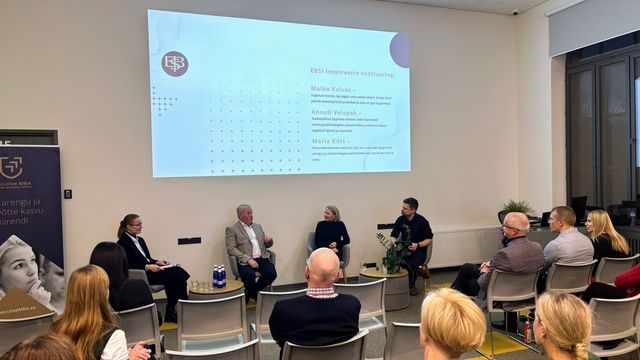
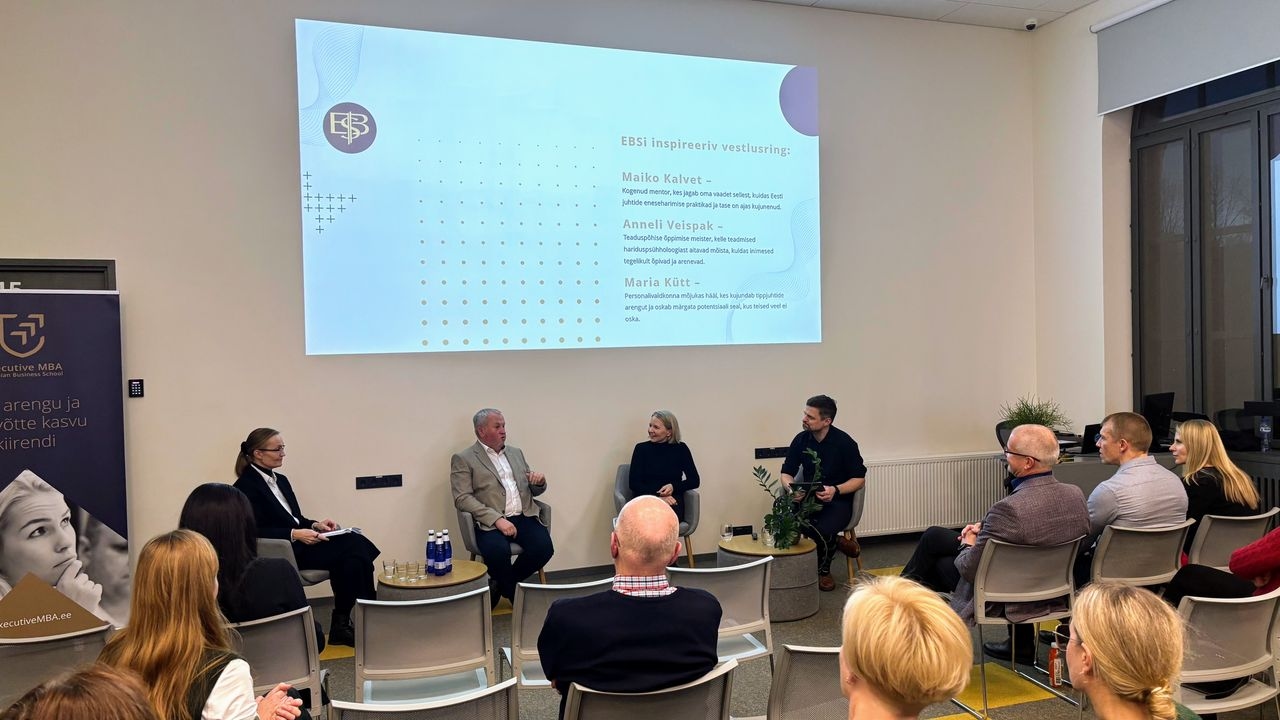
Hiljutine Estonian Business Schooli hommikukohv teemal „Mõttemuskel vs mugavustsoon” tõi kokku rekordarvu huvilisi, kelle seas oli rõõmustavalt palju just EMBAkaid ehk EBSi Executive MBA vilistlasi - juhid, kes oma igapäevatööga panustavad oluliselt Eesti majanduse ja ettevõtluskliima arengusse. See teeb EBSile suurt rõõmu, sest EMBAkad on need, kes aitavad luua tugevat kogukonda, panustades ettevõtlusesse läbi oma tegevuse, aga ka inspireerides ja kaasates tänaseid tudengeid oma kogemuste jagamise kaudu.
Õppimine kui ellujäämismehhanism ja tervislik pingutus
Kohtumise avasid õppimise ja enesearengu tagamaid haridusteadlane Anneli Veispak ja teda intervjueerinud EBSi coaching’u valdkonna juht Merle Viirmaa. Anneli rõhutas teadlasena, et õppimine ei ole pelgalt hobi või luksus, vaid inimese evolutsiooniline ellujäämismehhanism. Inimene on füüsiliselt paljudest teistest liikidest hapram ning nii on meie peamine tugevus just aju ja võime kiiresti muutuva keskkonnaga kohaneda.
Anneli tõi välja olulise seose õppimise ja kognitiivse tervise vahel: "Mõttemuskli" treenimine on sama kriitilise tähtsusega kui füüsiline aktiivsus, aidates meil püsida teravana ja osaleda ühiskonnas täisväärtuslikult ka kõrges eas. Samas ei tasu peljata, et õppimine tundub sageli raske. Uuringud kinnitavad, et vaimne pingutus käibki käsikäes teatud ebamugavustundega – kui "pea ei valuta" ehk pingutust ei teki, siis me tegelikult ei õpi uut, vaid opereerime juba olemasolevate teadmistega.
Erilist tähelepanu pöörati tehisintellekti rollile. Kuigi AI on suurepärane abimees rutiinsete ülesannete "maha laadimiseks" (cognitive offloading), hoiatas Veispak, et me ei tohi delegeerida masinale mõtlemise tuuma – analüüsi, sünteesi ja otsustamist. Kui me loobume ise pusimast ja laseme vastused ette kirjutada, siis meie aju areng lihtsalt peatub.
Paneel: Sotsiaalne õppimine ja erinevad stiilid
Paneelvestlusega liitusid lisaks Annelile ka avaliku sektori tippjuhtide kompetentsikeskuse juhataja Maria Kütt ja ettevõtja ning mentor Maiko Kalvet. Arutelus koorus välja, et kuigi iseseisev õppimine on väärtuslik, on sotsiaalne aspekt sageli peamine motivaator. Maiko Kalvet tõdes, et just teised inimesed ja kogukond on need, mis kutsuvad uusi teadmisi omandama – koos on õppimine tõhusam ja nauditavam.
Maria Kütt avas huvitava vaatenurga juhtide õppimisharjumuste muutumisest. Kui nooremad juhid eelistavad sageli “õpiampsusid” (nt podcast'id autoga sõites või lühikesed veebikoolitused), siis kogenumad juhid väärtustavad üha enam süvitsi minekut – aega, kus saab argimürast eemalduda, teemasse süveneda ja kolleegidega kogemusi vahetada. Paneelis kõlas ka mõte, et passiivne kuulamine (nt podcast'i taustaks mängimine) ei ole veel õppimine. Õppimine algab hetkest, kui me infot teadlikult töötleme, sünteesime ja oma ellu rakendame – olgu selleks kasvõi ühe peamise mõtte kirjapanek päeva lõpus.
Teooriast praktikasse
Selleks, et teooria ei jääks vaid jutuks, aitas Kiur Lootus ühisloome ja coaching’u meetodeid kasutades osalejatel koheselt "mõttemuskli" sooja teha. Läbi praktiliste harjutuste suunas ta osalejaid analüüsima oma praegust seisu: kui oluline on eneseareng ning mis on need reaalsed takistused, mis meid tagasi hoiavad.
Kiuri juhitud sessioon aitas osalejatel leida isikliku enesearengu fookuse ning sõnastada konkreetsed väikesed sammud, mida astuda. See kinnitas päeva peamist sõnumit: areng ei toimu mugavustsoonis istudes, vaid nõuab teadlikku pingutust, refleksiooni ja sageli ka toetavat paarilist või kogukonda, kellega oma lubadusi jagada.
Ootame sind järgmisele hommikukohvile: Kokkulepped vs muutused
Aastavahetus on aeg, mil inimesed annavad lubadusi, kuid kui kaua need kestavad, on iseküsimus. Selleks, et Sinu uue aasta lubadused peaksid paika ja muutused oleksid püsivad, ootame Sind järgmisele EBSi hommikukohvile 11. detsembril kell 9.30–11.30, kus teemaks on "Kokkulepped vs muutused".
Räägime enesejuhtimisest, teadlikkusest ja sellest, millised on meie päris motiivid tegutsemiseks. See on võimalus enne pühi veel kord aeg maha võtta, süüa piparkooke, juua kohvi ja kohtuda huvitavate inimestega, kellega koos saab targemaks.
Teised uudised
Vaikus kui juhtimisotsus: organisatsioonikultuuri nähtamatu jõud
Mis juhib sinu otsuseid hetkel, kui kaalukausil on kasumlikkus ja inimlikkus, aga aega valimiseks napib? Jaanuarikuu EBSi hommikukohvil tõstatus see teema väga selgelt – koos ausa pilguga sellele, millist sõnumit meie otsused, vaikimised ja igapäevased harjumused tegelikult edastavad. Arutelu käigus jõuti arusaamani, et kultuur ei ole ei HRprojekt ega ilusad sõnad seinal, vaid mustrid, mille juhid oma tegudega iga päev uuesti loovad.
Väärtused seinal või tegudes?
15. jaanuaril toimunud hommikukohv „Kasumlikkus või inimesed?“ tõi EBSi kokku juhid ja spetsialistid, et rääkida organisatsioonikultuurist nii, nagu see päriselt väljendub – juhtimisotsustes, igapäevastes kompromissides ja inimeste julguses oma mõtteid välja öelda. Fookuses olid küsimused, kas väärtused elavad üksnes dokumentides või on tuntavad ka siis, kui on kiire, ebamugav või päriselt midagi kaalul.
Vestlused laudkondades tõid nähtavale tuttava pinge: paberil on väärtused sageli selged, kuid päriselu olukordades kipuvad võimust võtma harjumused – vaikus koosolekul, otsused kiirustades, põhjendamata jäetud valikud. Osalejad nentisid, et just pingelistes olukordades tuleb kõige paremini välja, mis on organisatsiooni tegelikud väärtused, mitte see, mida kommunikatsioonis rõhutatakse.
Sisemistest väärtustest sõnajulguseni
Hommiku avas EBSi nooremteadur ja doktorant Marie Niilisk, kes uurib väärtuspõhist juhtimist, psühholoogilist turvatunnet ja töötajate sõnajulgust. Oma ettekandes sidus ta sisemised väärtused, psühholoogilise võimestamise ja töösoorituse üheks tervikuks, küsides, millest juhid tegelikult lähtuvad, kui tuleb teha ebamugavaid otsuseid ja võtta vastutus.
Marie tõi uuringutest välja selge jada: kui psühholoogiline turvatunne on tagatud, tunnevad inimesed end võimestatuna, julgevad mõtteid ja muresid välja öelda ning hindavad oma panust kõrgemaks. Kui turvatunnet ei ole, astub pildile vaikus – kriitiline info ei jõua juhini ja organisatsiooni hakkab juhtima pigem pimedus kui strateegia, sõltumata sellest, kui hoolikalt on eesmärgid sõnastatud.
Sandra Raju harjutus: väärtused kui isiklik treeningkava
Hommikukohvi teine osa viis osalejad peegli ette. Sandra Raju, Tripodi konsultant ja turundusjuht, kutsus juhte üles mõtestama oma isiklikke väärtusi sama ausalt, kui nad ootavad ausust oma meeskonnalt. Visualiseerimise ja töölehe abil kaardistati, millistes olukordades on päriselt hea olla ning millised märksõnad nende hetkedega seostuvad.
Iga osaleja sai välja valida enda jaoks olulised väärtused ja panna need enda jaoks ausalt skaalale: kuivõrd ma täna nende järgi elan? Kahe–kolme keskse väärtuse taha lisati üks hästi konkreetne samm, et väärtused ei jääks abstraktseks ideaaliks, vaid jõuaksid kalendrisse ja igapäevaellu – nii isiklikus elus kui ka juhtimisotsustes.
Strateegiline lauamäng: otsused, vaikus ja mõju
Kohtumise viimases osas liikus fookus tagasi organisatsioonitasandile. Dr. Mari Kooskora, EBSi õppejõud ja ärieetika praktikteadur, võttis juhtimise vaatluse alla strateegilise lauamängu vormis, kus organisatsiooni võtmeotsuseid mängiti läbi nii väärtuste, vaikuse kui mõju vaatenurgast.
Mari sõnul ei avaldu tegelikud väärtused mugavuses, vaid surve all: just siis, kui aeg, ressursid ja ootused survestavad, saab selgeks, millisest kompassist juhid tegelikult lähtuvad. Ta tõi esile, et otsustamata jätmine ja vaikus on samamoodi otsused, mis saadavad tugeva sõnumi selle kohta, keda ja mida organisatsioonis päriselt väärtustatakse. Sellest ka strateegiamängu põhiküsimus: „Millist mustrit Sina juhina praegu lood ja millist tulevikku nende otsustega kujundad?".
Strateegilise mängu käigus valisid osalejad laudades endale tuttava juhtimisotsuse. Arutelude käigus selgus, et väärtuspõhise juhtimise alus on mustrite märkamine – väikeste harjumuste, mugavusvalikute ja vaikimisi kokkulepete teadvustamine. Need sageli sõnastamata kogemused mõjutavad otseselt seda, kas organisatsiooni juhivad pigem väljakujunenud harjumused või teadlikult valitud väärtused, mille eest juhid on valmis vastutama ka keerulistes olukordades.
Järgmised üritused ja võimalused
EBSi hommikukohvide sari jätkub juba sellel nädalal uue teema ning veebruarist algavad süvendatud treeningud ikka selleks, et hoida juhi „mõttemuskel“ heas vormis!
Mõttemuskli rühmatreening: „Väärtused kui strateegiline juhtimisoskus“
13. veebruaris toimuv rühmatreening käsitleb organisatsiooni kui hõimu, tuues fookusesse väärtused ja sõnajulguse, teemad, mis on kriitilised äriedu komponendid. Tuginedes Corporate Tribe mudelile ja praktilistele tööriistadele, õpivad juhid märkama varjatud mustreid ja muutma kultuuri konkurentsieeliseks. Treening on suunatud juhtidele, kes soovivad mõista vaikuse tegelikku hinda ja juhtida organisatsiooni teadlikumalt.
https://www.ebs.ee/taiendusope/arenguprogrammid/mottemuskli-ruhmatreening-vaartused-kui-strateegiline-juhtimisoskus
EBSi hommikukohv „Muutused vs stabiilsus“ (in English)
23. jaanuaril ootab juhte inglisekeelne hommikukohv „Muutused vs stabiilsus“, kus rahvusvahelised juhid ja eksperdid räägivad, kuidas leida tasakaal pidevate muutuste ja vajaliku stabiilsuse vahel.
Registreerimine Fientas:
https://fienta.com/et/ebs-muutused-vs-stabiilsus
EBSi hommikukohv "Kasum on, raha ei ole – mis läks juhtimises valesti?"
Kasumlik ettevõte võib olla rahapuuduses, kui juhtimisotsused ei toeta rahavoogu. Selle teema avab praktilises arutelus Redgate Capitali partner Valeria Kiisk veebruarikuu hommikukohvil 11. veebruaril, keskendudes otsuste ja rahalise mõju seostele.
Arengukiirendi: personaaltreeneriga teekond juhile
Neile, kes soovivad juhtimisteemadele sügavamat ja personaalsemat lähenemist, on loodud EBS Arengukiirendi. See on vajaduspõhine arenguprogramm, mis võimaldab keskenduda just nendele teemadele, mis on juhi või organisatsiooni jaoks hetkel kriitilised. Fookuses on päris väljakutsete aus sõnastamine ja tempo hoidmine selleks, et strateegilised mõtted muutuksid igapäevaseks praktikaks.
Lisainfo ja registreerimine:
https://info.ebs.ee/arengukiirendi
19. jaanuar 2026
Teised uudised
Vaikus kui juhtimisotsus: organisatsioonikultuuri nähtamatu jõud
Mis juhib sinu otsuseid hetkel, kui kaalukausil on kasumlikkus ja inimlikkus, aga aega valimiseks napib? Jaanuarikuu EBSi hommikukohvil tõstatus see teema väga selgelt – koos ausa pilguga sellele, millist sõnumit meie otsused, vaikimised ja igapäevased harjumused tegelikult edastavad. Arutelu käigus jõuti arusaamani, et kultuur ei ole ei HRprojekt ega ilusad sõnad seinal, vaid mustrid, mille juhid oma tegudega iga päev uuesti loovad.
Väärtused seinal või tegudes?
15. jaanuaril toimunud hommikukohv „Kasumlikkus või inimesed?“ tõi EBSi kokku juhid ja spetsialistid, et rääkida organisatsioonikultuurist nii, nagu see päriselt väljendub – juhtimisotsustes, igapäevastes kompromissides ja inimeste julguses oma mõtteid välja öelda. Fookuses olid küsimused, kas väärtused elavad üksnes dokumentides või on tuntavad ka siis, kui on kiire, ebamugav või päriselt midagi kaalul.
Vestlused laudkondades tõid nähtavale tuttava pinge: paberil on väärtused sageli selged, kuid päriselu olukordades kipuvad võimust võtma harjumused – vaikus koosolekul, otsused kiirustades, põhjendamata jäetud valikud. Osalejad nentisid, et just pingelistes olukordades tuleb kõige paremini välja, mis on organisatsiooni tegelikud väärtused, mitte see, mida kommunikatsioonis rõhutatakse.
Sisemistest väärtustest sõnajulguseni
Hommiku avas EBSi nooremteadur ja doktorant Marie Niilisk, kes uurib väärtuspõhist juhtimist, psühholoogilist turvatunnet ja töötajate sõnajulgust. Oma ettekandes sidus ta sisemised väärtused, psühholoogilise võimestamise ja töösoorituse üheks tervikuks, küsides, millest juhid tegelikult lähtuvad, kui tuleb teha ebamugavaid otsuseid ja võtta vastutus.
Marie tõi uuringutest välja selge jada: kui psühholoogiline turvatunne on tagatud, tunnevad inimesed end võimestatuna, julgevad mõtteid ja muresid välja öelda ning hindavad oma panust kõrgemaks. Kui turvatunnet ei ole, astub pildile vaikus – kriitiline info ei jõua juhini ja organisatsiooni hakkab juhtima pigem pimedus kui strateegia, sõltumata sellest, kui hoolikalt on eesmärgid sõnastatud.
Sandra Raju harjutus: väärtused kui isiklik treeningkava
Hommikukohvi teine osa viis osalejad peegli ette. Sandra Raju, Tripodi konsultant ja turundusjuht, kutsus juhte üles mõtestama oma isiklikke väärtusi sama ausalt, kui nad ootavad ausust oma meeskonnalt. Visualiseerimise ja töölehe abil kaardistati, millistes olukordades on päriselt hea olla ning millised märksõnad nende hetkedega seostuvad.
Iga osaleja sai välja valida enda jaoks olulised väärtused ja panna need enda jaoks ausalt skaalale: kuivõrd ma täna nende järgi elan? Kahe–kolme keskse väärtuse taha lisati üks hästi konkreetne samm, et väärtused ei jääks abstraktseks ideaaliks, vaid jõuaksid kalendrisse ja igapäevaellu – nii isiklikus elus kui ka juhtimisotsustes.
Strateegiline lauamäng: otsused, vaikus ja mõju
Kohtumise viimases osas liikus fookus tagasi organisatsioonitasandile. Dr. Mari Kooskora, EBSi õppejõud ja ärieetika praktikteadur, võttis juhtimise vaatluse alla strateegilise lauamängu vormis, kus organisatsiooni võtmeotsuseid mängiti läbi nii väärtuste, vaikuse kui mõju vaatenurgast.
Mari sõnul ei avaldu tegelikud väärtused mugavuses, vaid surve all: just siis, kui aeg, ressursid ja ootused survestavad, saab selgeks, millisest kompassist juhid tegelikult lähtuvad. Ta tõi esile, et otsustamata jätmine ja vaikus on samamoodi otsused, mis saadavad tugeva sõnumi selle kohta, keda ja mida organisatsioonis päriselt väärtustatakse. Sellest ka strateegiamängu põhiküsimus: „Millist mustrit Sina juhina praegu lood ja millist tulevikku nende otsustega kujundad?".
Strateegilise mängu käigus valisid osalejad laudades endale tuttava juhtimisotsuse. Arutelude käigus selgus, et väärtuspõhise juhtimise alus on mustrite märkamine – väikeste harjumuste, mugavusvalikute ja vaikimisi kokkulepete teadvustamine. Need sageli sõnastamata kogemused mõjutavad otseselt seda, kas organisatsiooni juhivad pigem väljakujunenud harjumused või teadlikult valitud väärtused, mille eest juhid on valmis vastutama ka keerulistes olukordades.
Järgmised üritused ja võimalused
EBSi hommikukohvide sari jätkub juba sellel nädalal uue teema ning veebruarist algavad süvendatud treeningud ikka selleks, et hoida juhi „mõttemuskel“ heas vormis!
Mõttemuskli rühmatreening: „Väärtused kui strateegiline juhtimisoskus“
13. veebruaris toimuv rühmatreening käsitleb organisatsiooni kui hõimu, tuues fookusesse väärtused ja sõnajulguse, teemad, mis on kriitilised äriedu komponendid. Tuginedes Corporate Tribe mudelile ja praktilistele tööriistadele, õpivad juhid märkama varjatud mustreid ja muutma kultuuri konkurentsieeliseks. Treening on suunatud juhtidele, kes soovivad mõista vaikuse tegelikku hinda ja juhtida organisatsiooni teadlikumalt.
https://www.ebs.ee/taiendusope/arenguprogrammid/mottemuskli-ruhmatreening-vaartused-kui-strateegiline-juhtimisoskus
EBSi hommikukohv „Muutused vs stabiilsus“ (in English)
23. jaanuaril ootab juhte inglisekeelne hommikukohv „Muutused vs stabiilsus“, kus rahvusvahelised juhid ja eksperdid räägivad, kuidas leida tasakaal pidevate muutuste ja vajaliku stabiilsuse vahel.
Registreerimine Fientas:
https://fienta.com/et/ebs-muutused-vs-stabiilsus
EBSi hommikukohv "Kasum on, raha ei ole – mis läks juhtimises valesti?"
Kasumlik ettevõte võib olla rahapuuduses, kui juhtimisotsused ei toeta rahavoogu. Selle teema avab praktilises arutelus Redgate Capitali partner Valeria Kiisk veebruarikuu hommikukohvil 11. veebruaril, keskendudes otsuste ja rahalise mõju seostele.
Arengukiirendi: personaaltreeneriga teekond juhile
Neile, kes soovivad juhtimisteemadele sügavamat ja personaalsemat lähenemist, on loodud EBS Arengukiirendi. See on vajaduspõhine arenguprogramm, mis võimaldab keskenduda just nendele teemadele, mis on juhi või organisatsiooni jaoks hetkel kriitilised. Fookuses on päris väljakutsete aus sõnastamine ja tempo hoidmine selleks, et strateegilised mõtted muutuksid igapäevaseks praktikaks.
Lisainfo ja registreerimine:
https://info.ebs.ee/arengukiirendi
19. jaanuar 2026