EBS
Sustainable and Green Transition mikrokraad

Sustainable and Green Transition: Strategies, Practices and Resource Management

Sustainability is no longer a branding exercise or a nice-to-have initiative—it’s a business imperative. Companies that want to stay competitive in export markets and work with major partners must be able to demonstrate their environmental impact and how they manage related risks. This microdegree programme, starting in August, equips you with practical tools and strategic frameworks to embed sustainability into everyday decision-making. You’ll learn to design solutions that strengthen organisational resilience and long-term competitiveness.


Practical info

Time

Aug 21, 2026 - Oct 16, 2026

Capacity

15 ECTS (390 academic hours, of which 72 in classroom and 318 individual work)

Prerequisites

  • Bachelor’s degree or an equivalent qualification
  • At least 3 years of work experience in business or entrepreneurship (experience in both people and process management is highly valued)
  • Valid temporary residence permit or EU citizenship
  • Sufficient proficiency in English (minimum level B2)
  • Successful consultation with an EBS admissions consultant before August 15, 2026

Study Level

Current microdegree belongs to Master's study level

Language

The lectures and study materials are in English.

Method

In class - Students meet with the instructor in class at regularly scheduled times.

Price

€2,590

From 06.08.2026 the price is €2,800.

Location

EBS University, A.Lauteri 3, Tallinn

Driving Sustainable Transformation Through Strategic Integration

This microdegree programme provides participants with a comprehensive understanding of key sustainability issues and practical tools to integrate them into business strategy. Its greatest value lies in the ability to lead sustainable transformation systemically – aligning ESG principles, circular economy, energy efficiency, and resource management with organisational goals. Graduates will be equipped to assess the business impacts of sustainability, avoid greenwashing, and position their organisation as a responsible and innovation-driven player in an evolving economic landscape. This creates a solid foundation for long-term competitive advantage and a trustworthy reputation.

The curriculum is registered in the Estonian Education Information System (curriculum code 259535) and complies with the requirements of the current continuing education standard and the Adult Education Act.

Who is Sustainable and Green Transition: Strategies, Practices and Resource Management intended for?

  • Graduate students seeking to understand better green and sustainable transition challenges and opportunities,
  • Managers and team leaders responsible for implementing corporate strategies and seeking a better understanding of the challenges and opportunities of a sustainable economy.
  • Entrepreneurs aiming to either launch an energy-efficient company or integrate sustainability into existing strategies.
  • Also, relevant professionals, who are responsible for setting and implementing the strategic direction of their organization.

Topics Covered

The world is facing a sustainability crisis that extends beyond climate change, biodiversity loss, and overconsumption. These challenges impact not only countries, regions, and communities but also businesses, creating an urgent need for a shift toward a more sustainable and equitable economy. 

This programme is designed to equip individuals and organizations with a comprehensive understanding of sustainable economics and green business practices. Participants will explore comprehensively circular economy principles and their application in sustainable business strategies, with a special focus on resource efficiency, energy, critical raw materials (CRM), and the mineral value chain.  

In addition, the programme provides essential knowledge in sustainable strategic management and innovation, focusing on integrating sustainability principles into corporate strategies to drive the transition toward a more sustainable economy. Participants will gain in -depth knowledge of sustainability challenges, ESG strategies, energy and resource management, along with practical skills for integrating them into business strategies. 

What will you learn? 
 

  • Understanding Sustainability Challenges – Develop a systemic understanding of sustainability crises, assess their impact on businesses, and identify opportunities for growth and resilience. 
  • Integrating ESG into Business Strategy – Learn to embed Environmental, Social, and Governance (ESG) principles into strategic planning, ensuring compliance, risk management, and long-term value creation. 
  • Adopting Circular Economy Principles – Design innovative business models that promote resource efficiency, waste reduction, and environmental responsibility. 
  • Managing Strategic and Critical Raw Materials – Gain insights into effective resource management, ensuring supply chain stability and sustainable value chain practices. 
  • Navigating Energy Transitions – Understand the implications of energy systems and the Green New Deal on businesses, developing strategies to align with sustainable energy practices. 
  • Practical tools and metrics – engage in case studies and projects, measure sustainability impact, and avoid greenwashing. 

By the end of the programme, learners will be able to understand and analyze environmental and social challenges, develop sustainability-driven business strategies, and promote circular economy principles in everyday business activities. Participants will acquire the expertise to lead businesses responsibly and innovatively, contributing to the competitiveness of European companies and supporting sustainable development.

– 24 contact hours, 106 hours of independent study – 5 ECTS

The course aims to shape a systemic understanding of sustainability crisis issues (including climate change, loss of biodiversity, and overconsumption) in connection to business processes and their effect on entrepreneurial and everyday activities on the country, region, company, and community level, and to give knowledge and practical skills and instruments for the mitigation of sustainability crisis consequences, adopting and building of organizational resilience.  
Topics covered: Sustainability Crisis, Planetary Boundaries and Ecosystems Thinking, SDGs: history, evolution and role for companies; Business Processes and Sustainability; Mitigation Strategies and Organizational Resilience; Future Challenges and Opportunities.
Lecturer: Aleksandra Kekkonen – PhD, an expert in green and circular economy, explores how businesses can navigate sustainability challenges

– 24 contact hours, 106 hours of independent study – 5 ECTS

This course focuses on integrating Environmental, Social, and Governance (ESG) principles into organizational strategy: defining ESG, highlighting its growing significance in the business landscape, and equipping students with the skills to adeptly formulate, implement, and evaluate sustainable business strategies, fostering critical thinking in sustainability decision-making. 
Topics covered:  Triple Bottom Line, Stakeholder Theory, Sustainable Businesses, Green Economy, Value-Action Gap, Objective Setting, Sustainable Transformation Framework, People and Organisational Design, Internal Communication, Brand, Brand Building, Sustainable Brands, Greenwashing, Greenhushing.
Lecturer - Natalja Piiskoppel
a strategic consultant, shares her global expertise in brand communication and impactful sustainability initiatives.

– 24 contact hours, 106 hours of independent study – 5 ECTS

The energy sector is no longer merely a supporting function – it directly shapes companies’ competitiveness, risk exposure, and long-term sustainability. This course provides a comprehensive understanding of energy production methods and their financial, environmental, and social impacts, linking them to the functioning of the European energy system and dependencies on critical resources.

Participants analyse how energy consumption influences strategic decision-making, value chains, and compliance with increasing regulatory requirements. Particular attention is given to transparency of energy use across supply chains, the role of critical raw materials, and the management of supply security and geopolitical risks. Through practical assignments and case-based learning, participants develop the capability to design data-driven, effective sustainability strategies that create tangible business value.
Lecturer:  Renato Sydler, – PhD a strategic management and innovation specialist, provides insights into complex problem-solving and organizational development

Certificate

Graduates of the programme will receive a microdegree certificate with ECTS credits.
The microdegree also serves as a strong foundation for further studies at EBS master's programmes.

Microdegree structure

The master’s level microdegree programme runs from August 21 to October 16, 2026. Lectures and seminars take place every second Friday and Saturday from 10:00 to 17:15, total nine full days. 
We value in-person learning and peer interaction, so all sessions are held on campus. Lecture recordings will be available for participants.

Register for the microdegree

Sustainable and Green Transition: Strategies, Practices and Resource Management starts at Aug 21, 2026

Microdegree details

Please note: Participants from non-EU countries must already hold a valid temporary residence permit. Residence permits are not issued for short-term courses, including this microdegree. If you require a permit, please explore our full-time degree programmes instead.

This programme is open to external participants who are not EBS master’s students or alumni.

Entry requirements:

  • Bachelor’s degree or equivalent qualification.
  • At least 3 years of work experience in business or entrepreneurship
  • Valid temporary residence permit or EU citizenship.
  • English at B2 level
  • Completed consultation with EBS before 15 August 2026
    Book your consultation here

The microdegree program’s lecturers bring a unique and practical learning experience, backed by years of expertise in diverse fields —
Aleksandra Kekkonen, an expert in green and circular economy, explores how businesses can navigate sustainability challenges; Renato Sydler, a strategic management and innovation specialist, provides insights into complex problem-solving and organizational development; Natalja Piiskoppel, a strategic consultant, shares her global expertise in brand communication and impactful sustainability initiatives. Also David Peck, a circular economy expert, contributes deep expertise in sustainability, critical raw materials, and circular business models and guest lecturer Veiko Karu.

Upon successful completion of the microdegree, the learner will be able to:

  • Acquire and process financial and economic data from various sources using statistical and programming tools. (Application, Transferable)
  • Build and apply financial models that integrate assumptions and forecasts to support strategic financial decision-making. (Knowledge)
  • Design and evaluate investment portfolios based on macroeconomic indicators, portfolio theory, and risk management strategies. (Application, Critical Thinking)
  • Interpret financial analysis results in a strategic context and provide data-driven recommendations for capital allocation and business decisions.(Individual)
  • Communicate financial insights and recommendations persuasively to diverse stakeholder audiences using visualizations and structured reports.(Communication, Social)

To complete the microdegree, learners must pass all courses with at least a grade of E (51–60%).

Assessment is course-based, with differentiated grading based on practical tasks and learning outcomes of each course (tests, self-reflections, final papers e.t.c)

The courses takes place at EBS’s modern campus in Tallinn, Lauteri 3. Students have access to ergonomic classrooms, the EBS library, and the cloud-based Canvas learning platform. The study process is supported by online tools such as Canvas and MS Teams. Free Wi-Fi is available throughout the building.

Leading lecturers

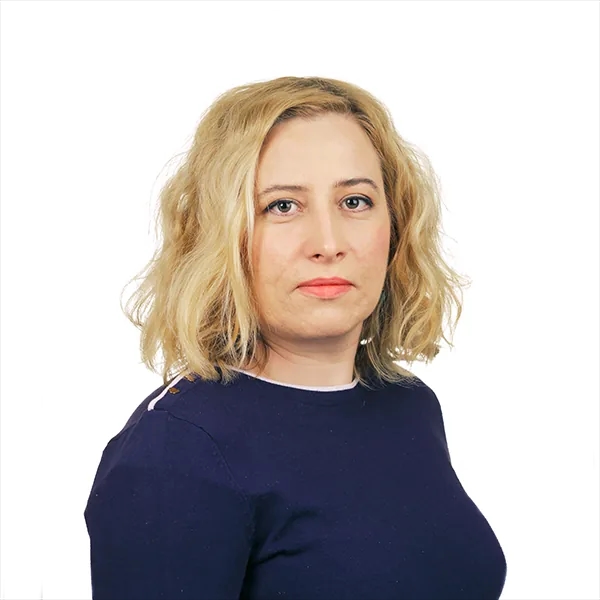
Aleksandra Kekkonen_EBS

Aleksandra Kekkonen

Senior Research Fellow

Aleksandra Kekkonen is a Research Fellow at the EBS Management Research Centre. She holds a PhD and has an academic background in International Relations. Her doctoral dissertation, “Regional Human Capital: Formation and Development in Contemporary Conditions,” focused on the dynamics and development patterns of human capital in a changing socio-economic environment.

She is an advocate of the circular economy and sustainable living, integrating a macroeconomic perspective with practical applicability in both her research and teaching. Over the past 11 years, she has worked as a researcher in human capital, labour market, and education system development projects at both national and international levels. Her projects have included extensive survey-based research in collaboration with companies, applying both qualitative and quantitative methods to identify labour market trends and individual competency needs.

Her current areas of expertise include the circular economy, green economy, and sustainable development at macro and regional levels. Her ongoing research projects address innovative financial inclusion and the green and sustainable transition of the economy and society, based on the enhanced application of environmental, social, and governance (ESG) metrics and the doughnut economics framework.

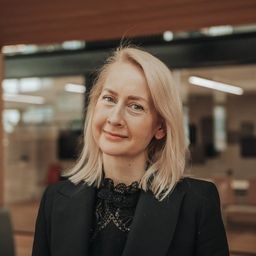
Natalja Piiskoppel

Natalja Piiskoppel

Executive Director at Wavemaker Consultancy (WPP)

Natalja Piiskoppel has spent the last 20 years as a multi-disciplinary strategic consultant to some of the world’s strongest organisations known for their sustainability efforts, including LEGO, Diageo, The North Face, BMW, Ferrero and more. Her core competence lies in marketing and brand communication, as well as change management. She is a passionate believer in active social responsibility and seen many brands move beyond just CSR and taking a more active role, creating change for stakeholders, consumers and society alike.

Currently, Natalja is a Executive Director at Wavemaker Consultancy (WPP), based in Copenhagen.

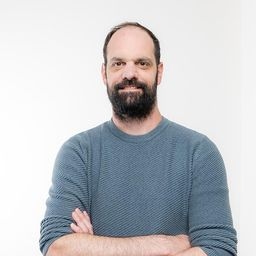
Renato Sydler_EBS

Renato Sydler

Associate Professor of Practice

Renato Sydler is an accomplished strategy executive with over a decade of experience in guiding large organizations and consulting teams to achieve operational and strategic excellence. He specializes in complex problem-solving within corporate strategy, focusing on areas like organizational development, operations, and project management. Renato has led numerous high-impact projects, particularly in the energy and telecommunications sectors, driving growth, process optimization, and strategic transformation. He holds a Doctor of Science in Strategic Management and Innovation from ETH Zurich. He joins EBS part-time as an Associate Professor of Practice to strengthen our R&D expertise in smart and sustainable energy management.
His hiring is made possible through the generous support of the Cross-Sectoral Mobility Measure (SekMo), implemented by the Estonian State Shared Service Centre (2021-2027.1.01.24-0705).

Course reviews

  • The greatest strength of the programme was the lectures by Natalja Piiskoppel – an engaging lecturer with a well-structured and thoughtfully designed approach. In terms of practical knowledge and tools, it was particularly valuable that although sustainability KPIs are already regularly measured in my work, the programme helped me better understand their theoretical background. The company’s investment in the microdegree enabled me to apply what I learned by developing a practical guideline for assessing supplier sustainability, which was a clear and tangible outcome. I also greatly appreciated the Energy Industry lectures, as they were directly related to my work and delivered by an engaging lecturer. While participating in the microdegree, I truly returned to the role of a student: there were moments when I completed assignments at the last minute, but this created a healthy sense of pressure and required real mental effort.

    Natalja Stepukova

    Prysmian Group Baltics AS, Purchasing Manager

    participant in the 2025 programme

  • During the microdegree programme, I gained valuable new insights and knowledge. Although I was already familiar with climate and environmental topics, the programme helped me better understand their impacts and challenges in the private sector. Particularly valuable were the discussions on current issues, along with the up-to-date reports, analyses, and company examples shared by the lecturers, which highlighted different perspectives. The most practical takeaways included insights into the latest changes in European sustainability reporting, as well as an overview of key regulations, trends, and supporting materials across various sectors. These provided clear guidance for further practical action. The programme content was strong and highly relevant, although the workload in the final weeks was quite intensive. Nevertheless, I greatly value the programme’s substance and its broad approach to sustainability topics.

    Kadi Tralla

    Sustainability-focused professional 

    participant in the 2025 programme

  • Kelli Roosimägi_Jätkusuutlik ja roheline üleminek: strateegiad, praktikad ja ressursside juhtimine

    I gained a great deal of practical value from the programme, as I was able to complete most of the assignments based on the company I currently work for. This has already had a direct impact — improving my understanding of the field and significantly broadening my perspective. It was also extremely helpful to be guided toward the right direction in terms of relevant literature and resources. The independent assignments and research projects were definitely a challenge, but they made me realise how little I actually knew and how much there still is to learn. Since there was a clear need for ESG knowledge at my workplace, my motivation to dive deeper and complete the tasks was very high. It was a remarkable contrast to my studies 20 years ago, when I struggled to see the connection between many topics and real business practice.

    Kelli Roosimägi

    Woola, Head of Operations

    participant in the 2024 programme

  • The programme has been a remarkable journey into the world of cleantech entrepreneurship. It provided a solid foundation of knowledge, practical skills and a deeper appreciation for the significance of environmentally responsible business practices- The assignments were a highlight, allowing me to conduct in-depth research and contribute to the field. I look forward to continuing my exploration of cleantech entrepreneurship and its vital role in shaping a sustainable future

    Roman Jürisaar

    CEO Vedelgaas OÜ

    participant in the 2023 programme

  • This programme was a transformative experience, enriching my knowledge and understanding of the green transition. It provided me with valuable insights, skills and connections that will undoubtedly contribute to my endeavours in sustainability and cleantech

    Juulia Karjula

    Founder and CEO of the creative agency Green Ray Creative

    participant in the 2023 programme

Register for the microdegree

Sustainable and Green Transition: Strategies, Practices and Resource Management

Course Date

21.08.2026 - 16.10.2026

Calendar

The exact dates are:

August 21, August 22, September 4, September 5, September 18, September 19, October 2, October 3, October 16, 2026.

Price

  • €2,590
  • VAT will not be added to course price
  • Would you like to split the invoice? Part can be issued to a company and the rest to an individual.
  • Register by 05.08.2026 to get Early bird discount. From 06.08.2026 the price is €2,800.

Prerequisites

Please note: Participants from non-EU countries must already hold a valid temporary residence permit. Residence permits are not issued for short-term courses, including this microdegree. If you require a permit, please explore our full-time degree programmes instead.

Register for the microdegree

Applications are open until 17.08.2026

The prerequisites for enrolling in the microdegree programme are a bachelor's degree, leadership experience, and participation in an online consultation with EBS no later than August 17, 2026. During the consultation, we will also assess your suitability for the study group and provide an overview of the organisational details to help you decide whether to join the programme.

Apply now

Not quite sure about your choice yet?

Ask our specialist for advice. Please contact via e-mail or book consultation

Learning Journey Advisor

Kadri Osula

Learning Journey Advisor

kadri.osula@ebs.ee