EBS is launching Estonia’s first-ever product management curriculum
13. aprill 2026
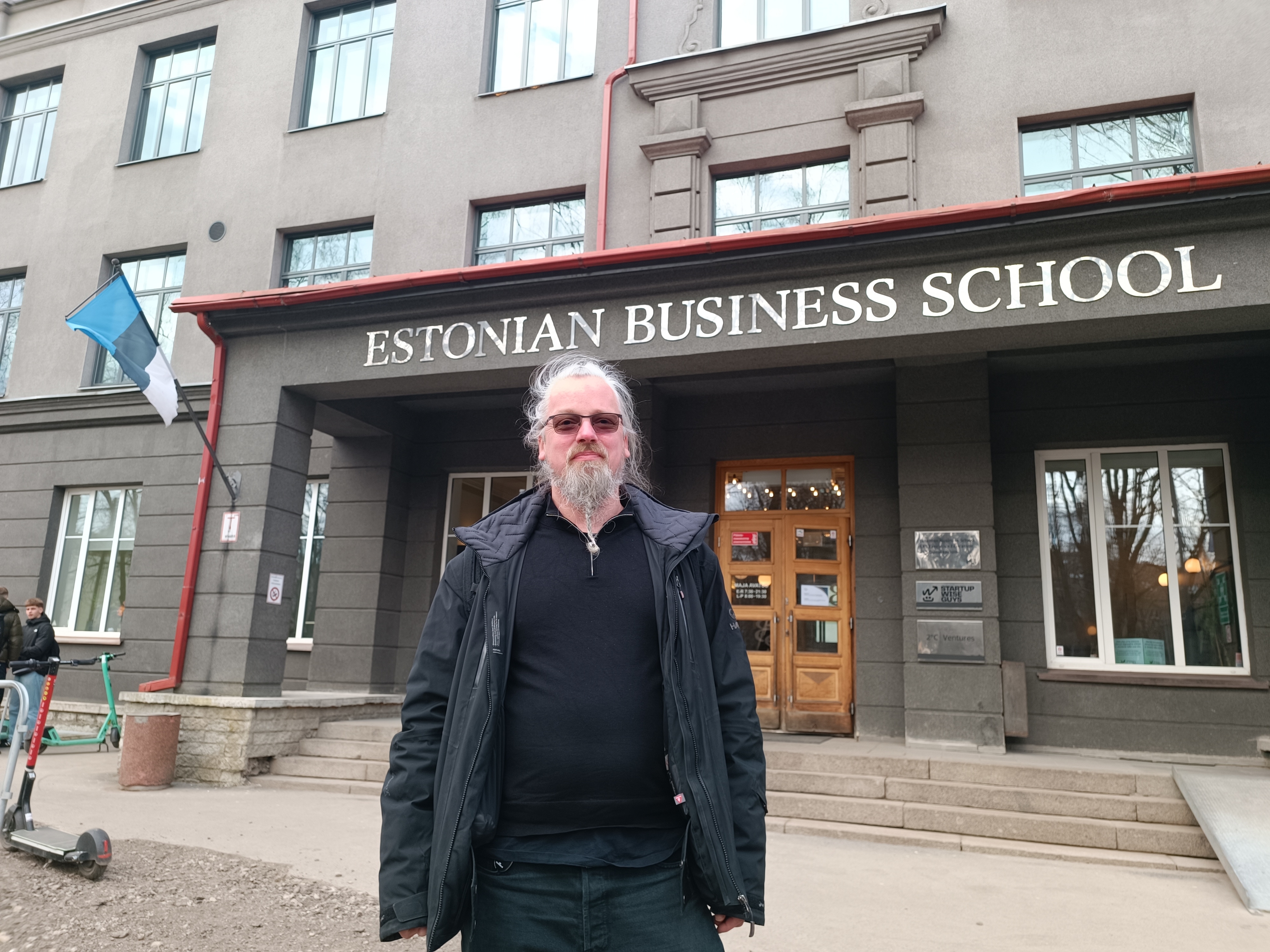
We will launch a new Product and Technology Management curriculum in the 2026/2027 academic year. Until now, product management has mainly been studied through short courses or abroad, while a comprehensive higher education program integrating business, technology, and product development into a cohesive whole has been lacking. The curriculum has been developed in collaboration with the programming school //kood. Graduates of the program will receive a bachelor’s degree.
“The importance of skilled product management in companies is growing very rapidly, but the education system has not kept pace. A product manager is the person who decides what should be built in the first place—bringing together the end user, business, and technology. If the product manager is weak, things are built that do not meet market expectations. Today, product managers are mainly trained on the job through trial and error, which is costly for companies. The EBS curriculum has been created to address this gap,” commented Kalle Volkov, Head of Development at Iute Group and the program lead.
Focus: from idea to a functional and scalable product
At the core of the curriculum is practical learning, where students learn to create and manage digital products—from understanding customer needs to launching and developing them in the market. “Graduates of the program will be able to lead technology-intensive products throughout their entire lifecycle, while also being capable of acting as an informed client,” Volkov added.
During the studies, students develop skills that companies need most today:
- understanding customer needs
- collaboration with developers and designers
- data-driven decision-making
- product and service lifecycle management
The curriculum includes an extensive internship component (30 ECTS), providing students with professional work experience and the opportunity to build connections with employers already during their studies.
Technological development is outpacing skills growth – companies need new leaders
The demand for workforce in ICT and technology-intensive fields is increasing, and management and digital competencies are becoming increasingly important. Product managers are emerging as key roles in organizations, bearing responsibility for both product success and business outcomes.
OSKA monitoring reports in the ICT sector confirm a growing demand for roles that combine process management with the application of technology, while leaders’ digital competencies and the ability to use artificial intelligence are becoming increasingly critical. Estonian companies have been faster than the European average in adopting AI, but maintaining a competitive advantage requires even stronger skills from leaders.
The new EBS curriculum directly addresses this need by combining business management and technological competencies, preparing leaders who can create competitive products and increase company value.
Other News
How do we prepare students to operate in an AI-influenced business environment?
EBS students gain practical learning experience through real-world projects, close collaboration with entrepreneurs, and entrepreneurship and development projects integrated into the curriculum. The study process is designed so that students do not only acquire knowledge, but also develop practical skills in validating ideas, building business models, and bringing solutions to market. Dedicated development programmes support them through the key stages of entrepreneurship, providing structure and guidance from initial ideas to working solutions.
An important role is also played by the EBS TooEarly venture studio, where ideas are developed into practical outcomes — validated products, pilot projects, and investment-ready ventures. Students are supported through mentoring, rapid prototyping, early-stage funding, workspace, and access to markets.
As highlighted by Rector Meelis Kitsing, the future of business education lies in the skillful combination of entrepreneurial thinking and artificial intelligence. This means not only understanding new technologies, but also applying them in innovation, decision-making, and venture creation — an approach that is increasingly shaping modern business education.
The full article with Rector Meelis Kitsing’s insights can be found here: https://blog.efmdglobal.org/2026/04/15/estonian-business-school-rector-ai/
17. aprill 2026
Other News

How do we prepare students to operate in an AI-influenced business environment?
EBS students gain practical learning experience through real-world projects, close collaboration with entrepreneurs, and entrepreneurship and development projects integrated into the curriculum. The study process is designed so that students do not only acquire knowledge, but also develop practical skills in validating ideas, building business models, and bringing solutions to market. Dedicated development programmes support them through the key stages of entrepreneurship, providing structure and guidance from initial ideas to working solutions.
An important role is also played by the EBS TooEarly venture studio, where ideas are developed into practical outcomes — validated products, pilot projects, and investment-ready ventures. Students are supported through mentoring, rapid prototyping, early-stage funding, workspace, and access to markets.
As highlighted by Rector Meelis Kitsing, the future of business education lies in the skillful combination of entrepreneurial thinking and artificial intelligence. This means not only understanding new technologies, but also applying them in innovation, decision-making, and venture creation — an approach that is increasingly shaping modern business education.
The full article with Rector Meelis Kitsing’s insights can be found here: https://blog.efmdglobal.org/2026/04/15/estonian-business-school-rector-ai/
17. aprill 2026